The Checkbook blog
Insights on payments infrastructure, digital checks, and the future of money movement.
What are Small Business Payment Processors?
Payment processors facilitate the secure transfer of transaction data among merchants, banks, and customers, enabling the acceptance of debit and credit card payments. These services are essential for businesses, ensuring efficient processing and operational continuity.
Wire Transfer vs Bank Transfer
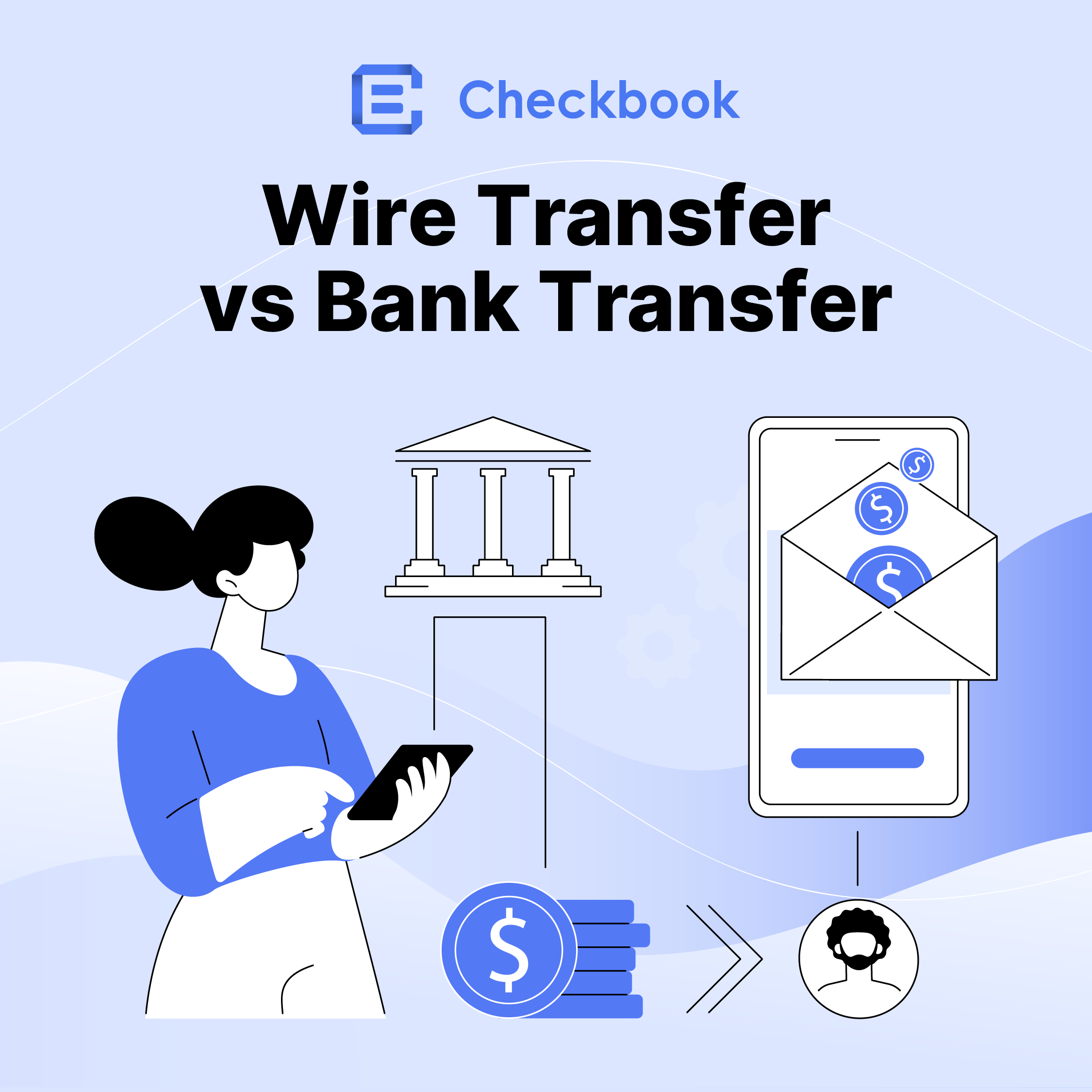
A wire transfer is an electronic method of transferring funds between individuals or entities, typically for larger amounts. This process is fast and efficient, with funds moving directly between bank accounts. A wire transfer could be domestic or international A bank account transfer, simply "bank transfer" or Electronic Funds Transfer (EFT), involves moving money electronically from one bank account to another. Bank transfers can be intra-bank i.e. from an account at one bank to an another account at the same bank or inter-bank i.e. from a bank account at one bank to abnk account at another bank. This broad term encompasses methods like ACH (Automated Clearing House) transfers, direct deposits, and person-to-person payments through apps such as Venmo or other mobile wallets. Bank transfers are typically used for domestic transactions and are often free or low-cost for the sender, distinguishing them from wire transfers.
What is Same Day ACH?
Same Day ACH transfers offer a payment solution within the Automated Clearing House (ACH) network, enabling banks to send and receive ACH files on the same business day. This reduces the traditional ACH processing time by up to 1 business day. If the regular ACH transaction would take 4 business days the same day ACH will take 3 business days for the funds to clear.
What is a VCC Card?
A VCC is a digital version of a traditional credit card, designed for online transactions. Unlike physical cards, a VCC consists of a card number, expiration date, and security code, enhancing payment security. This digital payment method, also referred to as a digital credit card or virtual card, conceals actual bank details during transactions, reducing fraud risk. As consumers increasingly ask, "What is a VCC card?" and "What is a digital credit card?", the VCC emerges as a key tool for safer, more efficient online payments, reflecting the future of secure digital finance.
What is Push to Debit?
"Push to debit," a subset of "push to card" transactions, is transforming digital payments by enabling funds to be transferred directly to a cardholder's debit card. Unlike traditional methods that require extended processing, this technology facilitates real-time, 24/7 access to funds, significantly improving payment efficiency.
How Long Does a Wire Transfer Take
Domestic wire transfers, conducted within the same country, typically complete within 24 hours, often on the same day if initiated during bank hours. Transfers made after the cut-off time are usually processed the next business day.
Why Did I Get a Real-Time Payment Credit?
Receiving an unexpected real-time payment credit can be exhilarating but also confusing; however, it is just a faster and more efficient method of receiving funds.
What Is A Virtual Credit Card?
A virtual credit card is a digital version of a traditional credit card, existing solely in electronic form. It offers the same functionality as a physical card but with enhanced security and flexibility for online transactions. Unlike traditional plastic cards, a virtual card operates entirely online, containing all essential details like card number, expiration date, and security code, but without a physical presence.
ACH vs Canadian EFT
In the realm of digital banking and transactions, understanding the nuances between different money transfer methods is essential for both consumers and businesses. Distinguishing between ACH payments, commonly used in the United States, and Canadian EFT payments, a staple in Canadian banking, is a common point of confusion.
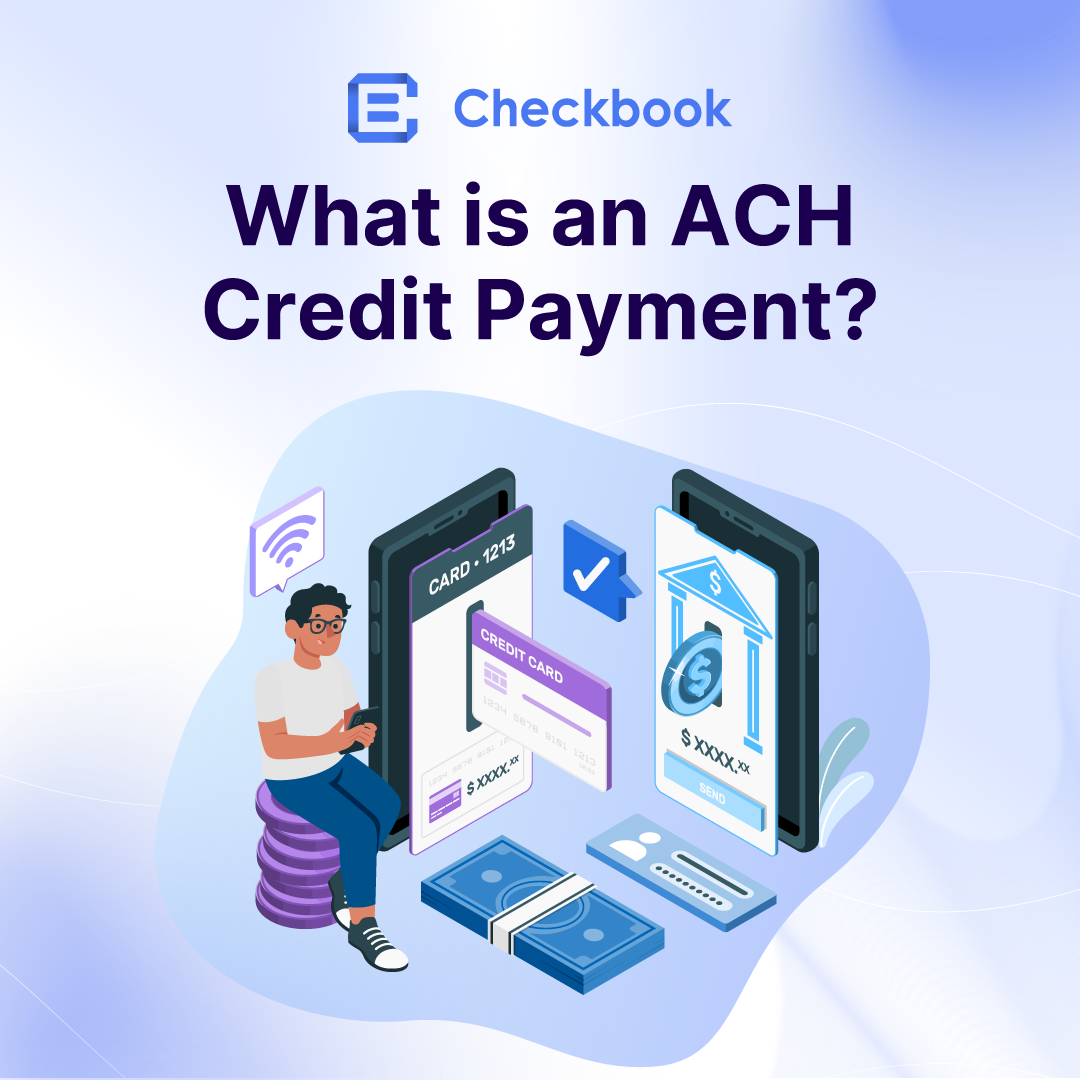
What is an ACH Credit Payment
Automated Clearing House (ACH) payments are a widely used form of electronic money transfer in the United States. An ACH credit payment involves funds being transferred into a bank account as opposed to ACH Debit which is used to pull funds out of a bank account. Third party payment processors typically use a clearing bank which originates ACH transactions for the processor To complete a payment from one entity to another the processors' bank will act as the ODFI (Originating Depository Financial Institution ) and send an ACH Debit to pull funds out of the Payor's account. It will then create an ACH Credit transaction to push funds into the Payee/Receiver's account
How long does a bank transfer take?
Understanding the intricacies of bank transfer times is vital for effective transaction management, whether one is a seasoned banker or new to online banking. Transfer durations vary depending on factors such as the banks involved and the chosen transfer methods.
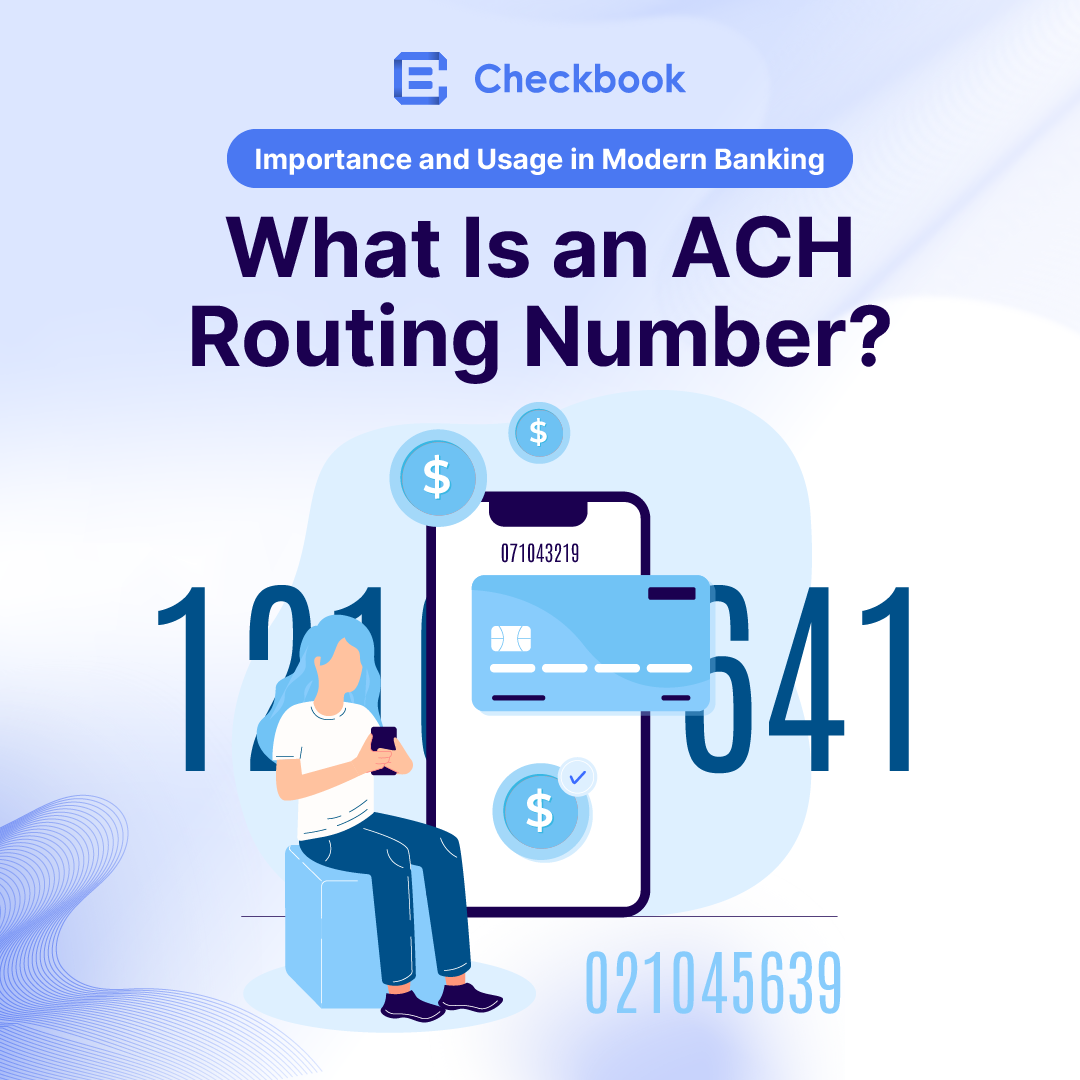
What Is an ACH Routing Number?
In the intricate landscape of financial transactions, understanding the distinct roles of ABA and ACH routing numbers is essential. ABA routing numbers, commonly referred to as check routing numbers, facilitate paper or check-based transfers. Conversely, ACH routing numbers are integral to electronic fund transfers. Despite their apparent similarity, these numbers fulfill unique functions within the banking system.

